Used Car Engines in Wisconsin
Winters in Wisconsin are hard on cars, and engines are no exception. Add up enough seasons of road salt, sub-zero cold starts, and the kind of long rural highway miles that come with living outside Milwaukee or Madison, and eventually something gives out. When it’s the engine, the replacement estimate can be brutal: $4,500 to $9,000 for new or remanufactured once labor is added, on a vehicle that might not even be worth that much.
- Used OEM Engines Beat WI Winter Strain
- Save vs New or Remanufactured Cost
- VIN-Matched for Your Exact Vehicle
- No Statewide Inspection Statewide Relief
- Shipping Included in the Quote
- Seller-Backed Warranty Available
FIND YOUR PART NOW!
CONGRATS !
You're Almost Done
A used engine changes the math. Pulled from a comparable donor vehicle and checked before resale, it’s the same factory-built part your car was designed around, at a fraction of what new or remanufactured costs. The catch, as always, is that quality depends heavily on the specific seller and how thoroughly they actually inspected the engine before listing it, not just on the fact that it’s labeled “used.”
Wisconsin has its own layer to keep in mind here. There’s no general statewide safety inspection, but seven southeastern counties, Kenosha, Milwaukee, Ozaukee, Racine, Sheboygan, Washington, and Waukesha, require emissions testing, and that requirement can be triggered not just by your regular plate renewal but by buying or registering a vehicle in the first place. If a donor engine came out of a salvage-titled vehicle, Wisconsin also requires a certified inspector to sign off on theft prevention, equipment, and safety before that vehicle can be retitled.

4. Quick Answer
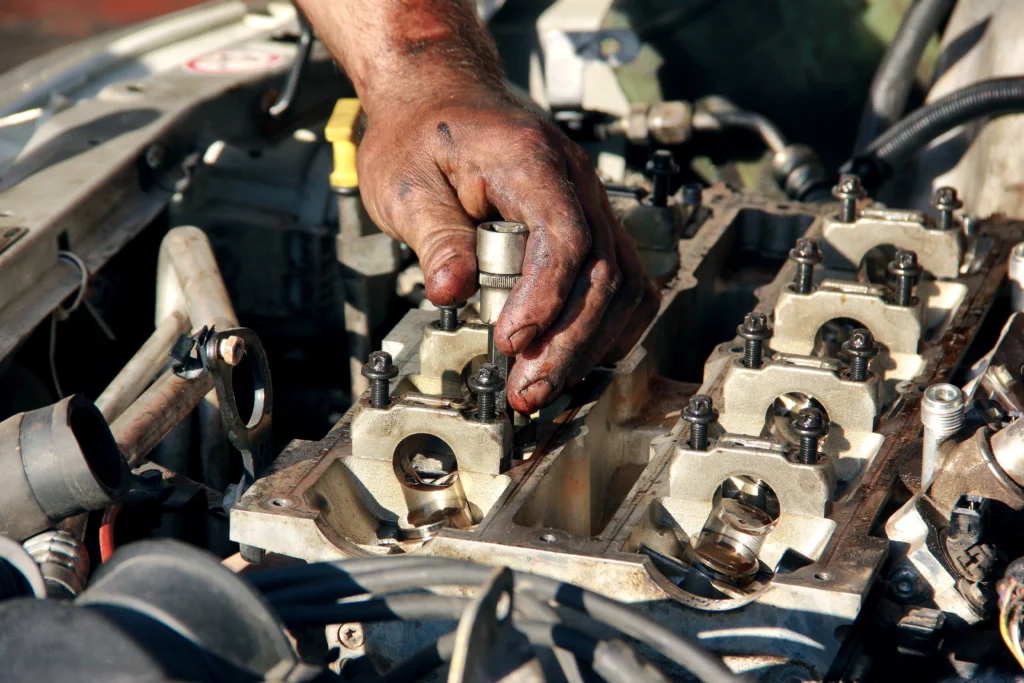
A used car engine is one pulled from another vehicle, usually after a collision or total loss rather than mechanical failure, and made available for resale after some level of inspection. In Wisconsin, expect roughly $650 to $1,800 for a 4-cylinder, $900 to $2,400 for a V6, and $1,200 to $3,900 for a V8 or diesel truck engine, before installation labor. Wisconsin has no statewide safety inspection, but seven southeastern counties require emissions testing, which can apply at the time you buy or register a vehicle, not only at renewal. UAPP is a marketplace, not a seller, so it connects your VIN to a network of vetted engine sellers and surfaces several real quotes instead of one.
5. Key Takeaways
- Wisconsin does not run a general statewide vehicle safety inspection program.
- Emissions testing applies only in Kenosha, Milwaukee, Ozaukee, Racine, Sheboygan, Washington, and Waukesha counties, generally every two years, and also at the point of vehicle purchase, registration, or ownership transfer.
- Winter road salt and long stretches of rural highway driving are real, documented wear factors for Wisconsin vehicles.
- Typical used engine pricing runs $650 to $3,900 depending on engine category.
- VIN matching provides strong fitment confidence, not an absolute guarantee. Confirm details directly with the seller.
- UAPP does not promise, guarantee, or warranty the condition or performance of any engine. Coverage, where it exists, comes from the individual seller, and terms vary, so get them in writing.
- Shipping cost is built into the seller’s quote and is never marketed as free.
- UAPP is a marketplace connecting buyers to independent sellers. It does not hold inventory and does not sell engines directly.
6. Why Wisconsin Drivers Choose Used Engines
Wisconsin’s driving conditions are genuinely tough on engines in ways that show up consistently in the used parts market. Winters bring not just cold but months of road salt application, which accelerates corrosion on exposed components, sensors, and electrical connectors well beyond what a milder climate would produce. Outside the Milwaukee and Madison metro areas, a lot of the state is rural highway driving, connecting smaller cities and agricultural communities across long distances, which adds sustained highway mileage that’s different from stop-and-go urban wear.
The state’s southeastern corner, Milwaukee, Racine, and Kenosha, carries the bulk of Wisconsin’s registered vehicles and daily commuter traffic, and it’s also the only part of the state where emissions testing applies. Dairy and agricultural operations across the rest of the state keep demand for truck and heavy-duty engines steady, since farm work puts real strain on drivetrains that a commuter sedan never sees.
Cost matters everywhere, but especially in smaller Wisconsin towns where an independent shop’s customer often can’t absorb a $7,000 remanufactured engine bill. A used OEM option, priced well below that, keeps a functional vehicle on the road instead of forcing a decision nobody wanted to make.
7. Wisconsin Vehicle Inspection and Emissions Rules: What Actually Matters for an Engine Swap
Wisconsin doesn’t run a periodic safety inspection covering brakes, tires, or general mechanical condition statewide. What it does require is emissions testing, and only in a specific region.
Where testing applies. Kenosha, Milwaukee, Ozaukee, Racine, Sheboygan, Washington, and Waukesha counties, all in the state’s southeastern corner, require emissions testing through the Wisconsin Vehicle Inspection Program. It covers gasoline, natural gas, and hybrid vehicles from model years 1996 through 2006 under 8,501 pounds, and gasoline, diesel, natural gas, and hybrid vehicles from 2007 forward up to 14,000 pounds.
When testing is required. Generally every two years ahead of plate renewal, but also at the point of purchase, registration, or an ownership change, and when a vehicle is being brought into Wisconsin from out of state. That last point matters if you’re buying a used engine for a vehicle you’re about to register or re-register in one of the seven counties, since the timing isn’t only tied to your existing renewal cycle.
Outside the seven counties. None of this applies. Wisconsin has no other emissions or safety inspection requirement statewide.
If the donor vehicle carried a salvage title. Wisconsin requires a certified salvage title inspector, listed on the state’s official inspecting agency roster, to check the vehicle for three things before it can be retitled: that the vehicle and its parts aren’t stolen, that required equipment is present and functional, and that it meets safe operating condition standards. This requirement attaches to the vehicle’s title, not to an engine removed from it. An engine pulled from a salvage-titled donor doesn’t carry that status itself, since titles apply to vehicles, not individual parts.
8. Popular Vehicles and Engine Types in Demand
- Ford F-150 and Chevrolet Silverado (V8): Steady demand from Wisconsin’s dairy and agricultural operations statewide, plus general truck use in rural counties.
- Toyota Camry and Honda Accord (4-cylinder): Common commuter sedans in the Milwaukee and Madison metro areas.
- Subaru Outback and Forester: Popular across Wisconsin given their reputation for handling winter driving conditions.
- Honda CR-V and Toyota RAV4: Frequently seen in suburban Milwaukee and Waukesha County households.
- Case IH and John Deere agricultural equipment (diesel): Reflecting Wisconsin’s dairy-belt farming economy and its effect on heavy-duty diesel parts demand.
- Chrysler Pacifica and Dodge Grand Caravan: Tied in part to Stellantis’s historical assembly presence in the state.
9. Compatibility
VIN-based matching gives you strong confidence that an engine’s build specifications line up with your vehicle, but it isn’t an absolute guarantee. Trim differences, emissions equipment variations, and accessory brackets can differ even within the same model year. If a donor vehicle carried a Wisconsin salvage title, that status belongs to the vehicle, not to a specific engine removed from it. Confirm year, trim, and known history directly with the seller before finalizing a purchase.
10. Common Problems
- Road salt corrosion: Wisconsin applies road salt heavily during winter months, and it accelerates corrosion on exposed engine components, sensors, and connectors faster than in states with milder winters.
- Cold-start wear: Extended sub-zero stretches mean more frequent cold starts, which put more stress on engine components than starts in a temperate climate.
- Rural high-mileage highway wear: Long-distance driving between smaller Wisconsin cities and farming communities accumulates sustained highway mileage differently than city commuting does.
- Agricultural and heavy-duty strain: Diesel engines used in farm and commercial applications across Wisconsin’s dairy belt see different wear patterns than passenger vehicles, often accumulating hours of load-bearing operation rather than just mileage.
11. Inspection and Quality Standards
How thoroughly an engine gets checked before resale depends on the individual seller. Some run compression and leak-down tests and document results; others do a more basic visual and running check. Ask the specific seller what testing was actually performed, request documentation or photos where available, and don’t assume a single standard applies across the network, because it doesn’t.
12. Warranty Information
UAPP does not offer, promise, or guarantee any warranty on engines listed through its network. UAPP is a marketplace connecting buyers to independent sellers, and it’s those sellers, not UAPP, who set whatever warranty terms exist for a specific part. Coverage among sellers ranges from 30 days to a year or more, and some sell as-is with no coverage at all. Get the specific terms in writing directly from the seller before you buy, and if a claim about performance or condition sounds like a guarantee, ask the seller to confirm it in writing, since UAPP itself isn’t the party making that promise.
13. Shipping Information
Shipping cost is built into the price quoted by the seller rather than added afterward, and it’s never described as free, since moving an engine to your shop or driveway costs real money regardless of who’s paying it. Milwaukee and Madison, given their population density and freight access, typically see faster delivery windows. Rural northern and western Wisconsin may take a bit longer due to lower carrier route density in those areas.
14. Buying Guide
- Have your VIN ready before requesting quotes; it’s the most reliable way to confirm fitment.
- Set a budget range using the pricing table below as a starting point, not a fixed number.
- Check whether your vehicle is registered in one of the seven emissions-testing counties, and remember testing can apply at purchase or registration, not only at renewal.
- Ask the seller directly what testing was performed on the specific engine you’re considering.
- Get any warranty terms in writing. Don’t assume UAPP is backing the coverage, because it isn’t.
- Confirm the quoted price already includes shipping before comparing across sellers.
- Line up your installer ahead of time, especially if a PCM relearn or reflash will be needed.
15. Installation Considerations
Plan on replacing wear items like the water pump, timing components, and gaskets during the swap rather than reusing high-mileage originals, since the labor to reach them is already committed either way. Many newer vehicles require a PCM or ECU relearn after an engine change, and that should be scheduled as part of the job, not discovered midway through. This content is meant to help you make an informed decision, not to serve as a repair manual; UAPP recommends professional installation for any engine swap.
16. Why Choose Used Auto Parts Pro
- Vetted seller network: Sellers are screened before joining rather than pulled from an open listing site with no oversight.
- VIN-based matching: You’re comparing engines actually built to fit your vehicle, not guessing from year and model.
- National reach: Access to sellers well beyond what’s sitting in Wisconsin salvage yards.
- A marketplace, not a warehouse: UAPP connects you to sellers; it doesn’t hold or mark up inventory it doesn’t own.
- OEM-first, aftermarket disclosed: OEM used engines are prioritized, and any remanufactured or aftermarket listing is disclosed clearly so you can decide what fits your budget.
- Quotes with shipping already included: No separate freight negotiation after you’ve agreed to a price.
| Engine Category | Used OEM Price Range | Remanufactured Price Range | New/Dealer Price Range | Wisconsin Note |
|---|---|---|---|---|
| 4-Cylinder | $650 to $1,800 | $1,800 to $3,100 | $3,500 to $6,000 | Common in Milwaukee/Madison commuter sedans |
| V6 | $900 to $2,400 | $2,400 to $4,000 | $4,400 to $7,300 | Popular in Subaru/crossover models built for winter driving |
| V8 | $1,200 to $3,100 | $3,100 to $5,000 | $6,000 to $9,800 | Steady demand from dairy-belt agricultural and truck use |
| Diesel/Heavy-Duty | $1,800 to $3,900 | $3,900 to $6,700 | $7,700 to $13,500 | Tied to Wisconsin's farm equipment |
FAQs
You can find a reliable used car engine in Wisconsin through trusted suppliers such as Used Auto Parts Pro, which provides tested, mileage-verified engines with warranty support.
A typical used car engine in Wisconsin costs between $800 and $3,000, depending on mileage, condition, and engine type. Installation adds another $1,000–$3,000.
Yes, many suppliers offer used car engines for sale that are inspected, compression-tested, and sold with warranties, ensuring dependable performance.
You can search online marketplaces, local salvage yards, or platforms like Used Auto Parts Pro when looking for a used engine for sale near me in Wisconsin.
Check mileage, compression test results, overall condition, and warranty terms. Always confirm compatibility using your vehicle’s VIN before purchasing a used car engine in Wisconsin.
Yes, as long as you purchase from a verified seller. Reputable platforms ensure proper inspection, making it safer to buy a used engine in Wisconsin online.
Most Wisconsin suppliers offer warranties ranging from 30 to 90 days, while remanufactured units may include longer coverage.
As long as the replacement engine matches your vehicle’s emissions standards and is properly installed, it should pass Wisconsin’s required OBD-II or tailpipe inspections.
The best place to buy used engines near me often depends on your needs, but many buyers prefer Used Auto Parts Pro for warranty-backed, verified engines.
Yes. Many Wisconsin suppliers offer statewide delivery options, making it easy to receive a used engine near me directly at your home or repair shop.
Yes. Diesel engines are widely available in Wisconsin, though they tend to cost 20–30% more due to higher demand and lower supply.
A well-maintained used car engine in Wisconsin can last 100,000 miles or more, depending on maintenance, mileage at purchase, and driving conditions.
Milwaukee and Madison typically see faster delivery given their population density and freight access. Rural northern and western Wisconsin may take somewhat longer.
Submit your VIN and vehicle details through UAPP's quote request process. You'll receive quotes from vetted sellers in the network, with shipping already factored in.
The program applies to specific model-year ranges by vehicle type; vehicles outside the Wisconsin Vehicle Inspection Program's covered model years and weight classes, or registered outside the seven affected counties, aren't subject to the requirement.
Conclusion
A failed engine doesn’t have to mean an unaffordable repair bill or giving up on a car that’s otherwise sound, especially in a state where winter driving already puts extra strain on vehicles. A used OEM engine, matched to your VIN and sourced from a vetted seller, gets you back on the road for a fraction of what new or remanufactured costs. In Wisconsin, that means understanding a fairly targeted regulatory picture: no statewide safety inspection, emissions testing only in seven southeastern counties and potentially triggered by purchase or registration rather than just renewal, and a certified inspection process if you’re dealing with a salvage-titled donor vehicle. UAPP’s role is to connect you with real seller quotes, VIN-matched for fitment confidence, shipping already built into the price, and no warranty claims made on UAPP’s behalf that a seller hasn’t actually agreed to. If you’re ready to see what’s available for your vehicle, submit your VIN and we’ll get you quotes from the network.
We hold a huge stock of Used car parts for years. You can explore other used parts mentioned below:
- Used GMC Engine
- Used International Harvestot Engine
- Used Hummer Engine
- Used Hyundai Engine
- Used Infiniti Engine
- Used Isuzu Engine
- Used Jaguar Engine
- Used Jeep Engine
- Used Kia Engine
- Used Land Rover Engine
- Used Licoln Engine
- Used Maserati Engine
- Used Oldsmobile Engine
- Used Peugot Engine
- Used Plymouth Engine
- Used Pontiac Engine
- Used Renault Engine
- Used Saab Engine
- Used Saturn Engine
- Used Scion Engine
- Used Suzuki Engine
- Used Tesla Engine
- Used Triumph Engine
- Used Volkswagen Engine
- Used Volvo Engine
- Used Toyota Engine
- Used BMW engine
- Used Porsche Engine
- Used Chevy Engine
- Used lexus Engine
- Used Nissan Engine
- Used Cadillac Engine
- Used Engine in New York
- Used Engine in Rhode Island
- Used Engine in Oregon
- Used Engine in Ohio
- Used Engine in South Carolina
- Used Engine in Minnesota
- Used Engine in Michigan
- Used Engine in Delaware
- Used Engine in California
- Used Engine in Arizona
- Used Engine in New Mexico
- Used Engine in New Jersey
- Used Engine in New Hampshire
- Used Engine in Alabama
- Used Engine in Mississippi
- Used Engine in South Dakota
- Used Engine in Aouth Dakota
- Used Engine in South Mnaine
- Used Engine in South Texas
- Used Engine in South Wyoming
- Used Engine in Vermont
- Used Engine in North Carolina
- Used Engine in North Dakota
- Used Engine in Oklahoma
- Used Engine in Pennsylvania
- Used Engine in Tennessee
- Used Engine in Texas
- Used Engine in Utah
- Used Engine in Iowa
- Used Engine in Wyoming
- Used Engine in Wisconsin
- Used Engine in Virginia
- Used Engine in Idaho
- Used Engine in Washington
- Used Engine in DC
- Used Engine in West Virginia
- Used Engine in Indiana
- Used Engine in Kansas
- Used Engine in Kentucky
- Used Engine in Louisiana
- Used Engine in Maine
- Used Engine in Maryland