Used Car Engine in Michigan
A failed engine is a real financial hit anywhere, and in Michigan it often comes on top of the state’s other big vehicle cost driver: years of winter road salt exposure that can leave a mechanically sound engine bay looking rougher than its mileage suggests. Between the cost of the repair and figuring out what shape the rest of the vehicle is actually in, a lot of Michigan drivers end up doing more homework than they expected.
- Used OEM Engines Michigan-Ready Available
- Avoid Dealer Pricing & State Inspection Hurdles
- Matched by VIN for Exact Fitment
- Salvage Title? Plan for Rebuilt Title Process
- Shipping Included in the Quote
- Seller-Backed Warranty Available
FIND YOUR PART NOW!
CONGRATS !
You're Almost Done
A new or remanufactured replacement isn’t cheap. Depending on the vehicle, dealer-installed new or remanufactured engines commonly start around $4,000 to $6,000 for a four-cylinder and climb well past $8,000 for a V8, all before labor. For most Michigan drivers, a used engine pulled from a comparable donor vehicle is the more practical route: the same factory design, at a fraction of the cost.
Michigan doesn’t require a periodic safety or emissions inspection for typical vehicles, so installing a used engine on its own doesn’t trigger any state review. There’s one real exception worth knowing about: if the vehicle you’re repairing already carries a salvage title, Michigan requires a certified mechanic’s inspection confirming it’s safe to drive before the state will issue a rebuilt title, and that applies whether or not the repair involved a used engine
Used Auto Parts Pro is a marketplace, not a parts warehouse. We do not hold engine inventory and we do not sell engines directly. We connect you with a nationwide network of verified sellers, match listings to your vehicle using your VIN, and let you compare quotes side by side instead of calling around to individual sellers yourself.
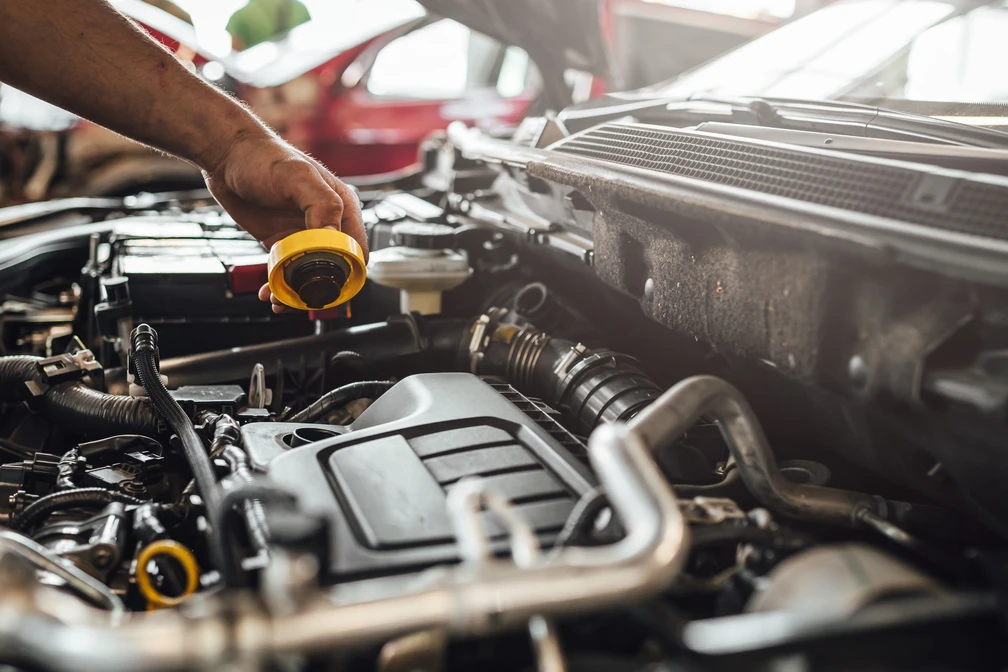
The demand for a used car engine in Michigan is ever-increasing – be it Detroit, Grand Rapids or even Ann Arbor -vehicle owners trying to save on costs, while still getting that performance, makes quality used car engines a ubiquitous need for all.
It is no surprise that amongst the many repairs that need to be performed on a car, repairs and replacements of the engine are to be the most costly. This is why selection of a used car engine in Michigan proves to be ideal, as it seems to be a more economically favorable option. Choice of a used car engine in Michigan guarantees savings without compromising the practicality of your vehicle and augments the ease of driving, irrespective of spare part upgrades or full replacements.
The demand for a used car engine in Michigan is ever-increasing – be it Detroit, Grand Rapids or even Ann Arbor -vehicle owners trying to save on costs, while still getting that performance, makes quality used car engines a ubiquitous need for all.
It is no surprise that amongst the many repairs that need to be performed on a car, repairs and replacements of the engine are to be the most costly. This is why selection of a used car engine in Michigan proves to be ideal, as it seems to be a more economically favorable option. Choice of a used car engine in Michigan guarantees savings without compromising the practicality of your vehicle and augments the ease of driving, irrespective of spare part upgrades or full replacements.
4. Quick Answer
What is a used car engine? It is a factory engine removed from a donor vehicle, most often after an accident or a total loss rather than an engine failure, and resold through independent sellers rather than built new.
How much does a used car engine cost in Michigan? Pricing depends heavily on the vehicle. A used four-cylinder sedan engine commonly runs $600 to $1,800; a V6 crossover or SUV engine typically runs $900 to $2,400; a V8 truck or SUV engine typically runs $1,200 to $3,500. New or remanufactured replacements generally start around $4,000 and climb well past $8,000 before labor.
Does Michigan require an inspection to install a used engine? Not for a typical vehicle; Michigan has no periodic safety or emissions inspection program. The exception is a vehicle that already carries a salvage title, which needs a certified mechanic’s safety inspection before the state will issue a rebuilt title, regardless of what specifically was repaired.
How does Used Auto Parts Pro help? UAPP matches your VIN to compatible used engine listings across its seller network so you can compare quotes. We do not inspect, test, warehouse, or ship engines ourselves; those steps are handled by the individual seller, and terms vary from one seller to the next.
5. Key Takeaways
- Michigan does not require periodic vehicle safety or emissions inspections for typical passenger vehicles.
- A real exception applies to salvage-titled vehicles: since a 2017 state law, a certified mechanic must inspect and confirm the vehicle is safe to drive before Michigan will issue a rebuilt title. This applies to vehicles with damage in roughly the 75 to 91 percent of value range affecting major components like the engine, frame, or body, within set model-year windows.
- Installing a used engine by itself doesn’t trigger a state inspection requirement on a vehicle with a clean title; the salvage/rebuilt title process is a separate track tied to the vehicle’s title history, not to any single repair.
- Decades of winter road salt use are a real, practical factor in Michigan’s used engine market, both for exterior corrosion and for corrosion on exposed engine components and connectors.
- Typical used engine pricing runs $600 for a smaller four-cylinder up to $3,500 for a V8 truck or SUV engine; new or remanufactured pricing generally starts around $4,000 and climbs from there before labor.
- A VIN match gives strong fitment confidence, but it is not an absolute guarantee. Confirm the physical engine code against the listing before you buy.
- Warranty terms are set by the individual seller, not by UAPP, and vary by seller and by part. Get warranty terms in writing before purchase; UAPP does not offer or promise a warranty on any listing.
- Inspection and testing practices vary by seller. Ask directly rather than assuming every listing was tested the same way.
- Shipping cost is included in the seller’s quoted price; it is not a separate line item and it is not advertised as free.
- UAPP is a marketplace. We connect buyers to independent sellers across Michigan and nationwide; we do not hold inventory and do not sell engines directly.
6. Why Michigan Drivers Choose Used Engines
What makes used engines a common choice in Michigan specifically? A combination of the state’s auto industry roots, climate, and vehicle mix:
- A deep auto manufacturing base. Michigan is home to Ford’s Dearborn Truck Plant (F-150), Stellantis’s Jefferson North Assembly (Jeep Grand Cherokee), and GM’s Flint Assembly (Silverado/Sierra Heavy Duty), among others, which keeps a steady local supply of donor vehicles for some of the country’s highest-volume models.
- Winter road salt exposure. Michigan uses road salt extensively through long winters, and the corrosion that results, sometimes called Michigan rust locally, affects exposed engine components and connectors as well as body panels and frames. Where and how a donor vehicle was driven and stored matters more here than in a warmer, drier state.
- A large salvage and rebuild market. Given the volume of vehicles Michigan’s own industry produces and services, the state also has an active salvage and used-parts market, which keeps a reasonable supply of donor engines available across most vehicle categories.
- A mix of urban and rural driving patterns. Commuter mileage into Detroit, Grand Rapids, and Lansing looks different from the more rural driving common in much of the rest of the state, which affects the kind of wear a given engine has seen.
7. Michigan Vehicle Inspection and Salvage Title Rules
Does Michigan require a safety or emissions inspection to install a used engine? No, not for a typical vehicle. Michigan does not mandate periodic safety or emissions inspections for most passenger vehicles, unlike states such as California. Installing a used engine on a vehicle with a clean title doesn’t trigger any state-mandated review.
When does an inspection actually get required? A few specific situations, the most relevant being salvage titles. Since a 2017 Michigan law, a vehicle with a salvage title (generally one with damage in the range of 75 to 91 percent of its pre-damage value, affecting a major component such as the engine, frame, or body) must be inspected by a certified mechanic, who confirms on a state form that the rebuilt vehicle is safe to drive. That inspection covers vehicles weighing four tons or less from roughly the last six model years, and heavier vehicles from a longer model-year window. Once the mechanic’s certification is completed, the owner submits it along with the salvage title to a Secretary of State office to receive a rebuilt title.
Other situations that trigger an inspection: a VIN verification inspection when registering a vehicle previously titled in another state, and inspections requested by law enforcement in cases of suspected theft, VIN tampering, or ownership disputes. Neither of these is specific to installing a used engine, but they’re worth knowing if your donor engine or vehicle has an out-of-state history.
Why does this matter for a used-engine buyer specifically? If you’re repairing a vehicle that was itself declared a total loss and carries a salvage title, and you’re using a used engine as part of that repair, you’ll still need the certified mechanic inspection and rebuilt title process before the vehicle can be legally registered and driven, regardless of how good the replacement engine is. This is a separate requirement from anything about the engine itself, and it’s easy to overlook if you’re focused only on the mechanical repair.
Does buying a used engine from a salvage-titled donor vehicle affect the engine itself? Not directly. The salvage title issue applies to the vehicle that was totaled, not to individual parts pulled from it. A used engine sourced from a salvage-titled donor vehicle is not itself “salvage titled”; engines don’t carry titles. What matters for the engine is its actual condition and documentation, which is why asking about mileage, testing, and history still matters regardless of the donor vehicle’s title status.
8. Popular Vehicles and Engine Types in Demand in Michigan
What kinds of used engines are most requested in Michigan? Michigan’s manufacturing base and vehicle mix push demand toward a few recognizable categories:
- Ford F-150: Built at Ford’s Dearborn Truck Plant, the F-150 is one of the most requested used engines in the state given how many are on Michigan roads and how central the plant is to the local economy.
- Jeep Grand Cherokee: Built at Stellantis’s Jefferson North Assembly in Detroit, the Grand Cherokee is a recognizable source of both donor vehicles and buyer demand within the state.
- Full-size GM trucks and SUVs: Chevrolet Silverado, GMC Sierra, and their heavy-duty variants, with Flint Assembly’s Heavy Duty trucks contributing to local supply, see steady demand across personal and work use.
- Compact and midsize sedans: Chevrolet Malibu, Ford Fusion (while it was in production), and Honda Civic and Accord engines remain in consistent demand for commuter vehicles in Detroit, Grand Rapids, and Lansing.
9. Compatibility: What Actually Determines Fitment
Does VIN matching guarantee an engine will work in my car? No. VIN matching gives strong fitment confidence by identifying your vehicle’s original engine code, model year, and platform, but it is not an absolute guarantee of fit. Always confirm the physical engine code on the listing against your VIN before finalizing a purchase.
Common buyer mistakes worth avoiding:
- Assuming a used engine from a Michigan donor vehicle is mechanically sound just because it ran fine; ask specifically about corrosion on external components and connectors, not just internal condition.
- Buying based on displacement or model year alone without confirming the 8th-character engine code on the VIN.
- Forgetting that if your own vehicle already has a salvage title, a used engine swap doesn’t remove the separate requirement for a certified mechanic inspection and rebuilt title before the vehicle can be legally driven.
- Not asking where and how a donor vehicle was driven; a vehicle used mostly for short winter trips in salt-heavy conditions can show more corrosion-related wear than its mileage alone would suggest.
10. Common Problems Seen in Michigan Driving and Climate Conditions
What commonly leads Michigan drivers to search for a used engine? A mix of ordinary wear and conditions tied to Michigan’s climate and driving patterns:
Road salt corrosion. Decades of winter road salt use can corrode exposed engine components, sensors, and wiring connectors well before the engine itself reaches the end of its service life. This is one of the more Michigan-specific things to ask a seller about directly.
Cold-start wear. Michigan winters put extra strain on an engine at startup, particularly on higher-mileage vehicles with worn seals or gaskets. Repeated cold starts over many winters can accelerate wear patterns that a warmer-climate vehicle of the same mileage wouldn’t show.
Short-trip driving in winter. Frequent short trips in cold weather, common during Michigan winters, don’t let an engine fully reach operating temperature, which can accelerate internal wear and contribute to moisture buildup in the oil over time.
A check engine light or a rough idle alone doesn’t necessarily mean an engine needs replacement. A proper diagnostic is worth the time before committing to a used engine purchase.
11. Inspection and Quality Standards
Are used engines tested before they’re sold in Michigan? Inspection and testing practices vary by seller and by engine; there is no single standard applied to every listing in the UAPP network. Ask each seller directly:
- Is documented mileage available, and does it come from the donor vehicle’s title, dashboard photo, or a CARFAX-style record?
- Was a compression test performed, and can the results be shared in writing?
- Is there a run video or cold-start video available?
- Is there visible corrosion on external components, sensors, or connectors, particularly relevant for a donor vehicle with Michigan winter driving history?
- What does the engine include: accessories, oil pan, flexplate, sensors, wiring harness?
12. Warranty Information
Do used engines sold through the UAPP network come with a warranty? Warranty coverage is not standardized across the marketplace, and UAPP does not offer, promise, or guarantee any warranty on any listing. Coverage varies by seller and by part, and is set individually by each seller. Some sellers offer 30-day, 60-day, or longer warranties on the engine itself; others sell as-is. Where a warranty is offered, it typically covers the engine assembly and usually excludes labor, consumables, and damage from improper installation. Always get warranty terms in writing directly from the seller before purchase, and confirm exactly what is and is not covered; do not assume a warranty exists or applies unless the seller has stated it in writing.
13. Shipping Information
How does shipping work for a used engine in Michigan? Shipping cost is included in the seller’s quoted price; it is not billed separately and it is not offered as a free add-on. Most engines ship via LTL freight on a pallet. Delivery to major Michigan hubs, including Detroit, Grand Rapids, Lansing, Ann Arbor, and Flint, is typically efficient given the state’s strong freight and logistics infrastructure, generally within 2 to 6 business days. Michigan’s Upper Peninsula and more rural northern areas may take longer. Ask your seller for a specific timeline before committing to a quote.
14. Buying Guide
How do I buy a used car engine the right way in Michigan?
- Confirm your vehicle’s engine code. Check your VIN’s 8th character and your vehicle’s build sheet.
- Check your vehicle’s title status. If your own vehicle carries a salvage title, plan for the certified mechanic inspection and rebuilt title process separately from the engine purchase itself.
- Submit your VIN through UAPP. This lets sellers in the network match listings to your specific vehicle.
- Compare quotes, not just price. Look at mileage, documentation, what is included, and warranty terms side by side, understanding that warranty availability and terms are set entirely by the seller, not by UAPP.
- Ask about corrosion history. Given Michigan winters, ask directly whether the donor vehicle shows external corrosion on components and connectors, not just internal engine condition.
- Ask about testing and documentation. Request compression numbers, run video, or mileage verification directly from the seller.
- Get everything in writing. Price, any warranty terms the seller offers, what is included, and estimated shipping timeline should all be confirmed in writing before you pay.
15. Installation Considerations
- PCM and immobilizer compatibility. Depending on the vehicle, the PCM may need to be matched or reprogrammed to the replacement engine, particularly if the donor engine came from a different model year.
- Corrosion check on connectors and sensors. Given Michigan’s road salt exposure, inspect wiring harness connectors, grounds, and exposed sensors for corrosion before completing the install, even on an engine that runs well.
- Salvage title sequencing. If your vehicle carries a salvage title, schedule the certified mechanic safety inspection as part of your overall repair timeline, since it’s required before the vehicle can be legally registered and driven, independent of the engine work itself.
- Accessory transfer. Alternators, power steering pumps, and AC compressors are often transferred from your original engine rather than included with the used long block. Confirm what the listing includes before assuming a plug-and-play swap.
- Wear-item replacement. Given the labor already involved in an engine swap, most shops recommend replacing gaskets and fluids at the same time rather than reusing worn parts.
16. Why Choose Used Auto Parts Pro
- Verified seller network. UAPP works with vetted sellers across Michigan and nationwide rather than an anonymous listing board.
- VIN-based matching. Submitting your VIN gives you strong fitment confidence for your specific make and model.
- Statewide and nationwide reach. More sellers in the network means more chances to find a well-documented engine, including ones sourced from outside heavy road-salt regions if that’s a priority for you.
- Transparent, quote-based pricing. Shipping cost is included in your seller’s quote, with no separate freight surprise later.
- OEM-first, with transparency on alternatives. UAPP prioritizes OEM used engines, and where a seller lists a remanufactured or non-OEM-component unit, that distinction is disclosed so you can choose what fits your budget.
- Marketplace transparency. UAPP does not hold inventory and does not sell engines directly; we connect you to sellers and let you compare their terms. UAPP does not offer or promise any warranty itself.
| Factor | Used (Seller Network) | Remanufactured | New |
|---|---|---|---|
| Typical price (4-cyl) | $600 to $1,800 | $2,200 to $3,800 | $4,000 to $6,000+ |
| Typical price (V6) | $900 to $2,400 | $2,800 to $4,500 | $5,000 to $7,000+ |
| Typical price (V8) | $1,200 to $3,500 | $3,500 to $5,500 | $6,000 to $9,000+ |
| Components | Original factory parts | Mix of OEM and aftermarket internals | All new components |
| Michigan-specific note | Ask about road salt corrosion on external components | Rebuilders typically replace worn internals, which can reduce (not eliminate) corrosion-related risk on ancillary parts | Meets current standards by default |
| Best for | Budget-conscious buyers wanting OEM parts who ask the right corrosion/history questions | Buyers wanting fresher internals and less exposure to one donor vehicle's history | Buyers wanting the least research, at the highest cost |
Frequently Asked Questions
Pricing depends on the vehicle. A four-cylinder engine typically runs $600 to $1,800, a V6 runs $900 to $2,400, and a V8 runs $1,200 to $3,500. New or remanufactured replacements generally start around $4,000 before labor.
Not for a typical vehicle with a clean title. Michigan has no periodic safety or emissions inspection program. The main exception is a vehicle with a salvage title, which requires a certified mechanic's safety inspection before a rebuilt title can be issued.
Since a 2017 state law, a vehicle with a salvage title (generally 75 to 91 percent damage to pre-damage value, affecting a major component) must be inspected by a certified mechanic confirming it's safe to drive before the state issues a rebuilt title.
No. A vehicle's title status depends on its own damage and insurance-loss history, not on what type of replacement engine is installed. Installing a used engine in a vehicle with a clean title doesn't change its title status.
No. UAPP does not offer, promise, or guarantee a warranty on any listing. Warranty availability and terms, if any, are set entirely by the individual seller, not by UAPP.
Since a 2017 state law, a vehicle with a salvage title (generally 75 to 91 percent damage to pre-damage value, affecting a major component) must be inspected by a certified mechanic confirming it's safe to drive before the state issues a rebuilt title.
No. A vehicle's title status depends on its own damage and insurance-loss history, not on what type of replacement engine is installed. Installing a used engine in a vehicle with a clean title doesn't change its title status.
No. Titles apply to vehicles, not individual parts. An engine pulled from a salvage-titled donor vehicle doesn't carry that title status; what matters is the engine's actual documented condition.
No. UAPP is a marketplace that connects buyers with independent, verified sellers. We do not hold engine inventory and do not sell engines directly; each transaction and its terms are handled by the seller.
VIN matching gives strong fitment confidence by identifying your vehicle's original engine code and platform, but it is not an absolute
Shipping cost is built into the seller's quoted price. It is not billed as a separate line item, and it is not advertised as free since the cost is already factored into the quote.
Testing and inspection practices vary by seller. Ask directly whether a compression test, mileage documentation, or run video is available before purchasing.
This varies by listing. Some sellers include the wiring harness and sensors, others sell the long block only. Confirm exactly what is included before comparing quotes.
UAPP's network prioritizes OEM used engines pulled from donor vehicles. Some sellers may also list remanufactured units that use a mix of OEM and aftermarket internal components; when that is the case, it should be disclosed in the listing.
Confirm the engine code against your VIN, ask about corrosion on external components given Michigan winters, check your own vehicle's title status if relevant, ask for mileage documentation and testing evidence, and confirm what accessories and components are included.
Conclusion
A failed engine doesn’t have to mean dealer pricing, and for most Michigan drivers it doesn’t come with any state inspection hurdle either. The one thing worth planning for is a vehicle that already carries a salvage title, since that triggers its own certified mechanic inspection and rebuilt title process regardless of how the engine repair goes. Used Auto Parts Pro connects you with verified sellers across Michigan and nationwide, matches listings to your vehicle, and lets you compare quotes, seller-set warranty terms, and documentation side by side so you can make the call with real information in front of you. When you’re ready, submit your VIN to start comparing quotes from sellers who understand what Michigan actually requires.