Embarking on the journey to obtain a pre-owned vehicle is a mix of thrilling possibilities and nervous uncertainty. It’s exciting to think about owning a car for a small amount of money, but worries about problems that might come up and the cost of repairs in the future quickly take away the excitement. A smart second-hand car buyer knows that the key to a good investment is to look at more than just the price of the car. For a transaction to go smoothly, you need to carefully inspect the car, plan for long-term maintenance costs, and find high-quality second-hand car parts to make sure the car will last. In this search for dependability, vendors like Used Auto Parts Pro offer dependable, reasonably priced parts to secondhand car buyers.
Here is what a smart second-hand car buyer should prioritize for long-term ownership:
- Thorough inspection and service history: Always review the vehicle’s service records to understand its past upkeep. A pre-purchase inspection by a trusted mechanic is also highly recommended to identify any potential mechanical issues. During this check, pay special attention to common wear-and-tear items.
- Budgeting for future upkeep: Even a well-maintained used vehicle will require future repairs and part replacements. A smart second-hand car buyer makes a realistic budget for possible maintenance costs so that they aren’t surprised by unexpected costs. Some of the most common replacement items include:
- Engine parts: Alternators, starters, and other engine parts are susceptible to wear and tear.
- Braking system: In order to ensure safety, brake pads and discs must be regularly inspected and possibly replaced.
- The steering and suspension system may be less comfortable and more difficult to steer if the shocks, struts, or steering components are worn out.
- Tires: Check to see if the tires are wearing evenly. If they are not, it could mean that the alignment or suspension is off.
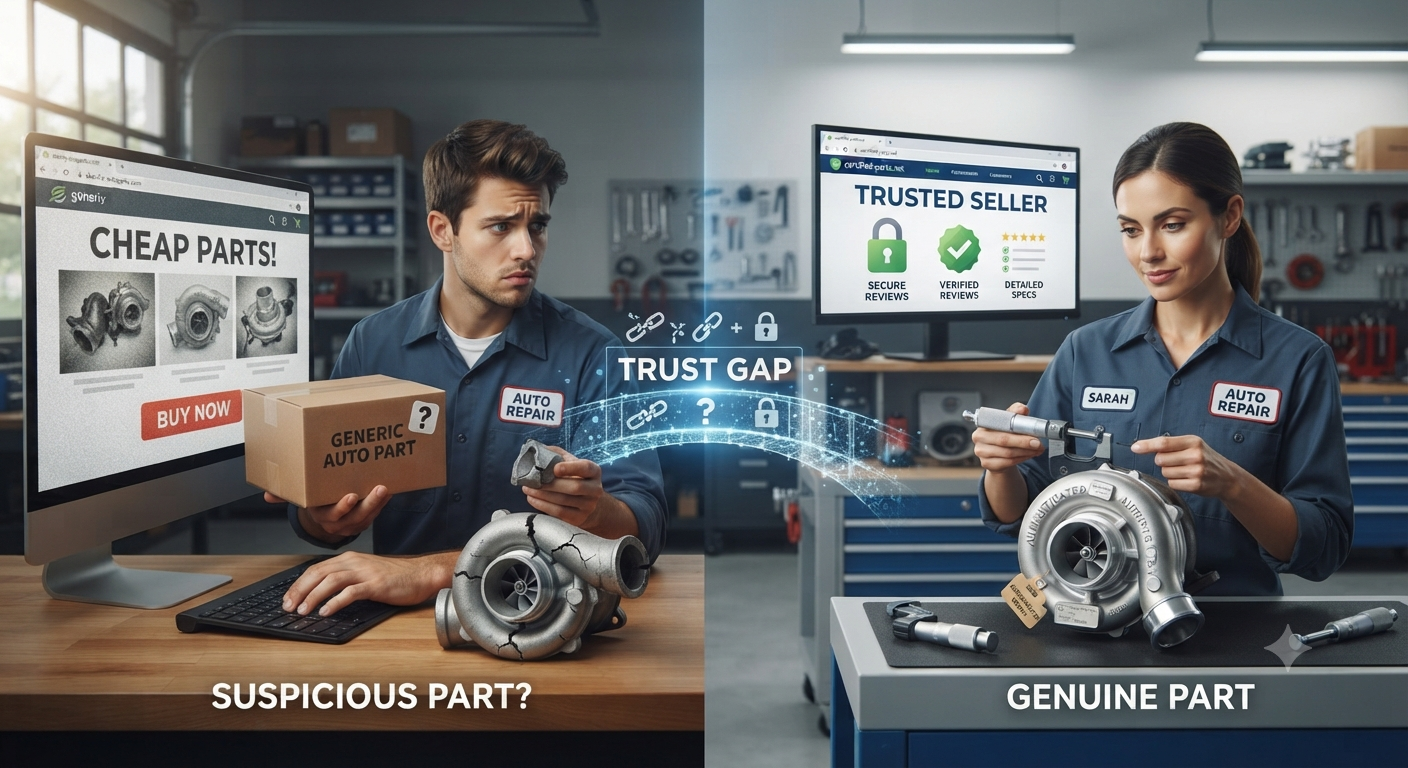
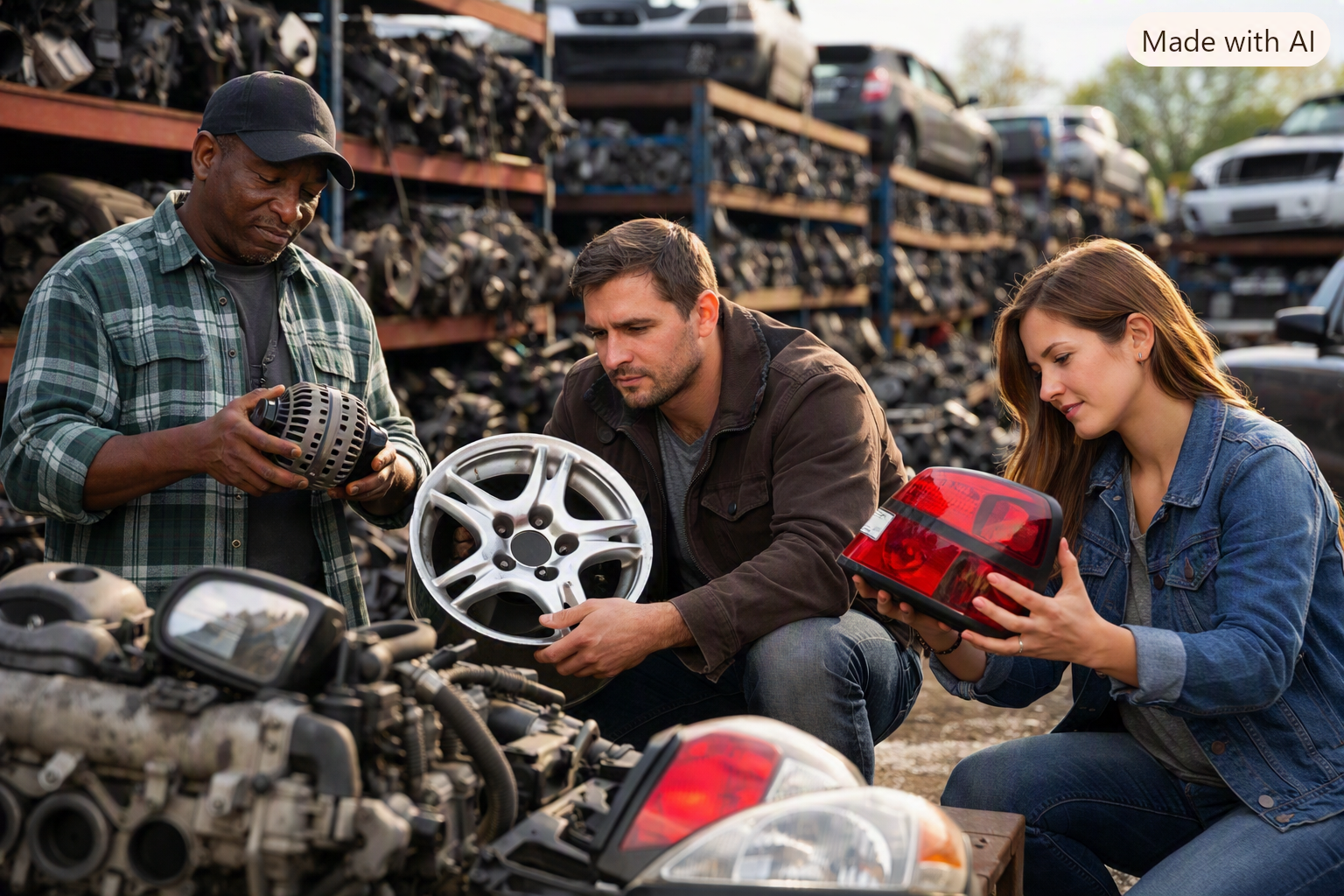
- Leveraging reputable spare parts suppliers: Not all used car spare parts are created equal. High-quality used auto spare parts are thoroughly tested and vetted to ensure their functionality and dependability. Used Auto Parts Pro and other reliable suppliers sell used parts that are just as good as new OEM parts but cost less. This way is good for both the environment and your wallet. They source from a wide network of suppliers, which can be particularly useful for finding hard-to-find components for older or less common vehicle models.
The smart second-hand car buyer's checklist
A successful second-hand car buyer starts long before you hand over any money. For the astute second-hand car buyer, meticulous preparation and research are the most powerful tools. This initial work helps you learn about the market, spot possible problems that certain models might have, and get rid of cars that are likely to be trouble from the start. A detailed, hands-on inspection of the exterior, interior, and, most importantly, the engine, is critical. After that, all of the legal and service paperwork is carefully looked over to make sure that the vehicle’s history matches its current state.
Research is paramount
- Homework on models and common issues: Before you even start looking at individual cars, research the makes and models you are interested in. Use online forums and consumer reports to find common mechanical or electrical problems associated with that specific model year. Some models, for instance, may be known for certain transmission problems or costly component problems.
- Market price analysis: Research the average market price for the model, year, and mileage you are considering. This will equip you with a baseline for fair pricing and help you find a deal that is too cheap, which is often a sign of problems that are not obvious.
Detailed inspection
- Exterior: Inspect the bodywork in good daylight. Look for paint that doesn’t match, gaps between panels that aren’t even, or overspray, which could mean that the car was repaired after an accident. Check for dents, scratches, and, most importantly, rust, particularly in areas like the wheel arches and underbody. The condition of the tires can also tell you something; for example, uneven tire wear can mean that the alignment or suspension is off.
- Inside: Look closely at the cabin to see if the seats, upholstery, and dashboard are showing signs of too much wear and tear. Test all electronic features, including the air conditioning, windows, and infotainment system. Check for any strange odors, as dampness could suggest water leaks. Also, look at the wear on the pedals and steering wheel, which might not match a low odometer reading.
- Engine: While a professional mechanic is best, you can perform an initial visual check yourself. Check for leaks of oil or coolant. Listen for strange sounds like ticking or knocking, especially when the car is cold. The color of the exhaust smoke is another important sign of engine health: blue smoke means burning oil, black smoke means too much fuel, and white smoke means there is a problem with the coolant.
Reviewing documentation
- Service history: This is the vehicle’s health record. A well-documented service history proves the car has been properly maintained. Look for regular service intervals, preferably from authorized service centers, and invoices for any major repairs. A full history gives you peace of mind and a lot of resale value.
- Legal documents: The primary documents required from a seller when selling a second-hand car to a buyer in the USA are the following:
Certificate of Title: The original proof of ownership, signed over to the buyer. If there is an outstanding loan, the seller must also provide a Lien Release from the lender.
Odometer Disclosure Statement: A federally mandated document or section on the title confirming the vehicle’s accurate mileage at the time of sale.
Bill of Sale: A receipt detailing the transaction terms, price, and parties involved.
Release of Liability: A form that the seller files with their state’s DMV to legally remove themselves from responsibility for the vehicle after the sale.
Emission Safety Certificate: Certain states require an emissions/safety inspection certificate before allowing the second-hand car buyer to register the car.
The role of used car spare parts in your purchase
Even a used car spare part that passes all initial inspections with flying colors may require maintenance sooner rather than later. This means that a second-hand car buyer should be ready to do any necessary maintenance after the purchase to make sure the car stays reliable, and they can relax. Instead of defaulting to costly brand-new parts, many owners find that quality used car spare parts offer an effective and affordable solution. Choosing the right supplier is very important for this strategy, and companies like Used Auto Parts Pro are a good place to get quality-tested parts. You can keep your car running well without spending a lot of money by making smart choices about replacement parts.
Post-purchase maintenance: Immediate needs
- Critical parts should be replaced right away: Although they may have passed inspection, parts like tires, brake pads, and belts may be nearing the end of their useful lives. Second-hand car buyers can prevent future problems and safety risks by replacing them as soon as possible after purchase.
- Addressing minor issues: The inspection may reveal small problems that don’t need immediate attention but should be addressed soon. You can fix these issues without going over budget if you can buy used car spare parts at a fair price.
- Upgrades for improved performance: Some owners use the post-purchase phase to install minor upgrades. Used parts can offer a cost-effective way to get quality OEM components for performance enhancements, such as better lighting or a reverse camera.
Choosing wisely: The benefits of used car spare parts
- Significant cost savings: The most obvious factor of buying used auto parts is the lower price. If you buy from a trusted source, recycled parts can be 50–70% cheaper than new ones. This lets you save money without giving up quality.
- Authenticity and compatibility: Buying OEM (Original Equipment Manufacturer) used parts from a trustworthy supplier ensures a perfect fit, as they are designed for your specific make and model.
- Environmental benefits: Choosing recycled parts is better for the environment because it cuts down on waste and supports a circular economy. This makes it a good choice for people who care about the environment.
- Access to rare or discontinued parts: For owners of older or rare vehicles, finding new parts can be nearly impossible. The used parts market is often the best or only source for these components.
Used Auto Parts Pro: A reliable source
- Quality testing and assurance: Used Auto Parts Pro is different from other companies because it ensures that the parts are good and will work. This makes it less likely that you’ll buy things from stores that aren’t very honest.
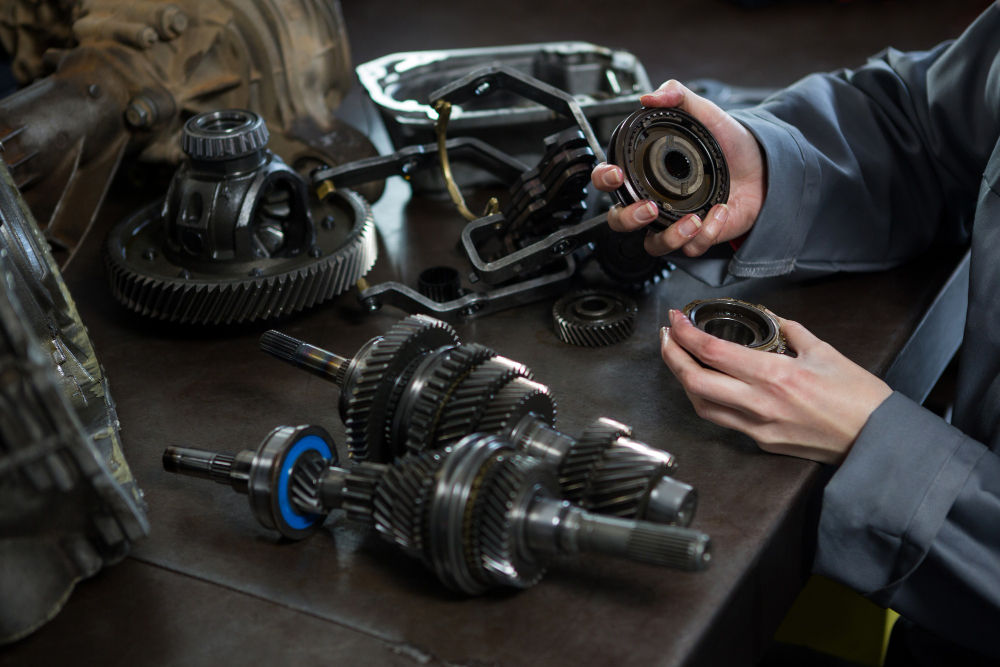
- Wide selection and availability: Used Auto Parts Pro can help you find everything from engines and transmissions to body panels and accessories. Having these top 10 used car spare parts on hand right away can also cut down on repair times by a lot.
- Warranty and customer support: A trustworthy seller should offer a warranty on their parts, and Used Auto Parts Pro’s commitment to quality often includes such protections. Reliable customer support is also available to ensure second-hand car buyers get the right part for their vehicle.
The top 10 car spare parts to check (and replace)
For any prospective second-hand car buyer, focusing on these top 10 car spare parts is critical to securing a reliable vehicle. Some parts wear out over time, even after a thorough initial inspection, and may need immediate attention to work and be safe. If you want to keep your car for a long time, fixing these common problems with high-quality used car spare parts is a cheap way to do it.
- Brake Pads and Fluid: Brakes are a primary safety feature. Check the pads for sufficient thickness and the brake fluid for color and level. If the brake pads are worn out or the fluid is bad, it can be harder to stop, especially when there are a lot of cars on the road.
- Engine Oil and Filters: A straightforward oil and filter change is often the first service a new owner performs. Fresh oil and a new filter ensure proper lubrication and engine health, which is crucial for maximizing engine life.
- Tires: Tires are the vehicle’s only contact with the road. Inspect them for tread depth, even wear, and cracks. Getting new tires can make a big difference in how your car drives, stops, and is safe in general.
- Air and Cabin Filters: The air filter protects the engine from contaminants, while the cabin filter ensures clean air inside the car. Replacing these parts, which are often ignored, can make the engine work better and make the ride more comfortable for passengers.
- Battery: An aging battery can fail without warning and leave you stranded. Test the battery’s health and inspect its terminals for corrosion. You can relax knowing that you have a new, reliable battery.
- Spark Plugs: Old spark plugs can result in misfires, rough idling, and reduced fuel efficiency. Putting in new ones can help the engine run better and use less gas.
- Coolant and Transmission Fluids: Like engine oil, these fluids degrade over time and must be in good condition for the respective systems to function correctly. Check their levels and color to ensure they aren’t contaminated.
- Oxygen Sensors: These sensors monitor the exhaust and help manage the engine’s air-fuel mixture.
- Suspension Components (Shock Absorbers): Worn shocks or struts can compromise ride comfort, handling, and stability. Check for signs of damage or leaks, because replacing them can make driving much better.
- Timing Belt/Chain: This is a critical item, as a broken timing belt can cause catastrophic engine damage. Check the service history to see if it was replaced according to the manufacturer’s schedule. If not, keep this possibly costly replacement in mind when you talk about the price.
In conclusion, the market for the top 10 car spare parts in the USA, such as tires, batteries, and brake pads, remains strong, driven by routine maintenance and an aging vehicle population. Two big trends that are changing the demand for goods are the rise of e-commerce and the switch to electric cars. Success in this vital industry requires a focus on quality, digital adaptation, and efficient distribution to meet evolving consumer needs and ensure road safety.
Why Used Car Spare Parts Make Sense (and How to Buy Them)
While brand-new replacements offer peace of mind, they also come with a significant price tag. For the savvy second-hand car buyer focused on smart, long-term ownership, opting for high-quality used car spare parts offers a balance of affordability, reliability, and environmental responsibility. Choosing the right supplier is paramount to this strategy, and a reputable source like Used Auto Parts Pro offers the quality and service needed to make this approach a success.
Cost-effectiveness
- Significant savings: Quality used parts can cost 30–70% less than new ones. The savings can be big for expensive parts like engines or transmissions, which makes fixing up older cars much more affordable.
- Price stability: The cost of used parts is generally more stable than that of new parts, whose prices can fluctuate based on supply chain issues. This predictability makes it easier to plan for maintenance and repair costs.
Sustainability
- Less waste: By reusing parts that still work, you help keep tons of materials out of landfills, which cuts down on automotive waste and its effect on the environment.
- Saving resources: Making new car parts takes a lot of water, energy, and raw materials. Opting for used parts reduces the demand for new production, conserving valuable natural resources.
- Lower carbon footprint: The energy and transportation costs associated with producing and shipping new parts are substantially higher. Using parts that are already there helps cut down on greenhouse gas emissions.
How to vet a supplier
- Check for quality assurance: Look for suppliers who test their parts before selling them to make sure they work and are of good quality. If a supplier trusts their product, it’s a good sign that it works.
- Check the OEM markings: Trusted sellers sell original equipment manufacturer (OEM) parts, which ensure a perfect fit and performance. Always look for OEM markings or part numbers.
- Ask about warranties and return policies: A good supplier stands behind its products. Look for clear warranty or return policies that offer protection against a faulty part.
The Used Auto Parts Pro advantage
- Quality assurance: Used Auto Parts Pro has a strict quality assurance process that ensures parts work and are reliable.
- Huge selection: They have a huge selection of parts for a range of makes and models, making it more likely that you’ll find the exact part you need, even for older or hard-to-find cars.
- Trusted and reliable: Used Auto Parts Pro is a trusted partner because they are committed to quality and good customer service. This gives budget-conscious second-hand car buyers peace of mind.
Conclusion
For any second-hand car buyer, the journey from finding a vehicle to driving it with confidence is paved with informed decisions. A thorough strategy is the vital component to success. This means doing thorough research and inspections, smart budgeting for possible repairs, and finally coming up with a plan for getting quality used car spare parts. By focusing on routine maintenance tasks and finding reliable suppliers, you can get the most out of your investment, stay safe, and make your car last longer.
Ultimately, an informed purchase provides the peace of mind that a hasty one can never offer. It all comes down to knowing what the car actually needs in terms of maintenance and planning for the future. If you focus on quality, affordability, and sustainability, you can turn a purchase that could be stressful into a smart investment that will last for a long time.
FAQ:
- Has the vehicle been in any accidents, and can I see the vehicle’s history report?
Always request and review a vehicle history report to verify if the car has been involved in any accidents.
- Can a second-hand car buyer take the car for an independent mechanic’s inspection?
Yes, and if the seller refuses, you should walk away, as a pre-purchase inspection is critical to finding hidden issues.
- What is the car’s maintenance history?
The reason for selling and proof of maintenance records are very important for understanding the car’s condition and helping a second-hand car buyer make a good choice.
- Does the vehicle have a clean title, and are there any outstanding loans?
Confirm that the car has a clean title, free of any financial liens, to avoid legal issues and ensure a smooth ownership transfer.
- What is the overall condition of critical components, including the tires, brakes, and timing belt?
Inspect these critical wear items to assess immediate maintenance needs, which can often be addressed affordably with quality used car spare parts.