How Long Do Used Engines Last
“How many miles does this thing have left?” is the question every used engine buyer is really asking, even when they phrase it differently. A used engine with 90,000 miles on it isn’t automatically two-thirds through its life and it isn’t automatically a gamble either; the honest answer depends on how that engine was maintained, what it was used for, and what condition it’s in right now, not just the number on the odometer.
- Engine Code on Block Must Match Your VIN
- Check Oil Cap & Dipstick for Milky Residue
- Coolant Contamination Red Flag – Avoid
- Theta II? Confirm Date & Knock Sensor Hardware
- Ask for Mileage Documentation
- Request Compression Test Results
FIND YOUR PART NOW!
CONGRATS !
You're Almost Done
This is where a marketplace approach helps more than a single storefront can. UAPP doesn’t stock engines and doesn’t sell them directly. What it does is put your VIN in front of a network of independent sellers across the country, so you get several real quotes to compare instead of calling around to salvage yards one at a time. Below: realistic Georgia pricing broken out by engine type, what the state’s emissions rules actually mean for you, and the questions worth asking before you buy.

3. Introduction
"How many miles does this thing have left?" is the question every used engine buyer is really asking, even when they phrase it differently. A used engine with 90,000 miles on it isn't automatically two-thirds through its life and it isn't automatically a gamble either; the honest answer depends on how that engine was maintained, what it was used for, and what condition it's in right now, not just the number on the odometer.
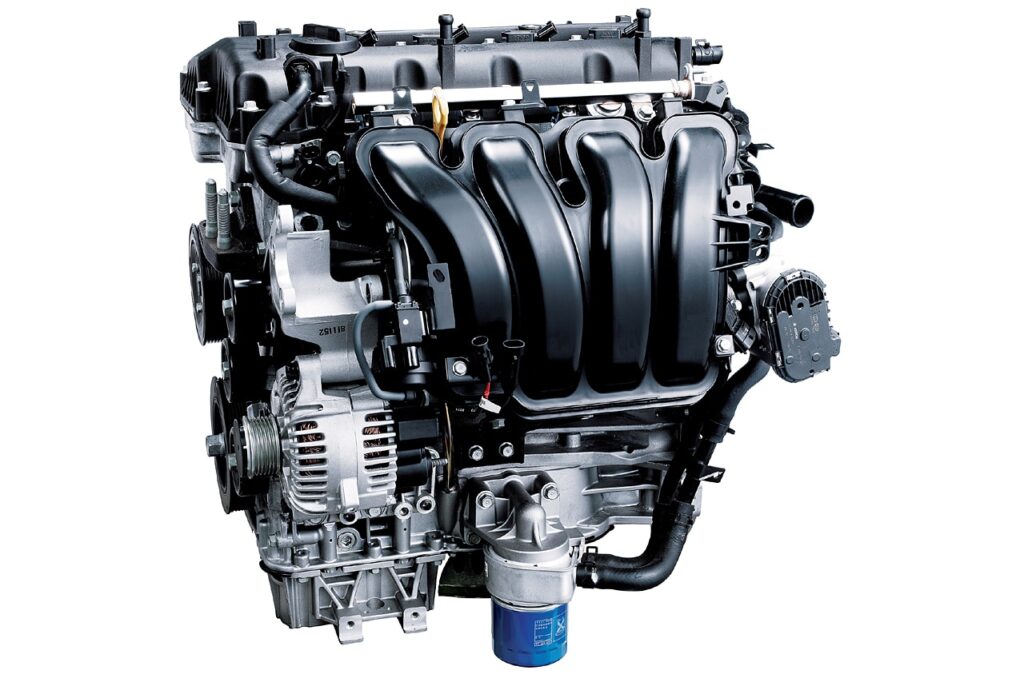
Modern engines are built to last considerably longer than they used to. A well-maintained engine can reasonably reach 200,000 miles or more, and plenty go further than that. The mileage figure gets a lot of the attention, but maintenance history, driving conditions, and how the engine was actually cared for by its previous owner usually matter more than mileage alone in predicting how much life is left.
This page walks through what actually determines a used engine's remaining lifespan, what mileage milestones tend to mean in practice, warning signs worth checking before you buy, and how to get a realistic read on a specific engine rather than relying on the mileage number by itself. UAPP connects buyers to a network of vetted sellers who can speak to a specific engine's history and condition, since that's what actually answers the "how long will this last" question, not a generic number.
4. Quick Answer
A well-maintained used engine can reasonably last 150,000 to 200,000-plus miles total, meaning a used engine with 60,000 to 100,000 miles on it often still has significant service life left if it was properly maintained. Mileage alone doesn't determine remaining lifespan; maintenance history, driving conditions, and the specific engine's current condition matter more. A neglected engine can show real problems well before 100,000 miles, while a well-cared-for one can keep running reliably past 200,000. UAPP connects buyers to sellers who can provide documented mileage, testing results, and history on a specific engine, which is a more useful answer than a general mileage rule.
5. Key Takeaways
- A well-maintained engine can reasonably reach 150,000 to 200,000-plus total miles.
- Maintenance history matters more than raw mileage in predicting how much life an engine has left.
- Common mileage milestones worth watching: increased risk of minor issues around 65,000 to 70,000 miles, and higher likelihood of major component wear at 100,000-plus miles, though these vary significantly by vehicle and upkeep.
- A used engine's remaining lifespan depends on the donor vehicle's driving conditions (highway vs. stop-and-go city driving), climate, and how consistently it was serviced.
- Ask for maintenance records or documented testing before buying, not just a mileage number.
- UAPP does not guarantee how long any specific engine will last; sellers vary in what documentation and testing they provide, so ask directly.
- UAPP is a marketplace connecting buyers to independent sellers. It does not hold inventory or sell engines directly.
6. What Actually Determines How Long an Engine Lasts
Mileage gets treated like the whole story, but it's really just one input. A handful of other factors matter just as much, sometimes more, in determining how much life is left in a specific used engine.
- Maintenance history: Regular oil changes, timely fluid checks, and prompt attention to issues like overheating are the single biggest factor in how long an engine lasts. An engine with 120,000 documented, well-maintained miles is often in better shape than one with 70,000 miles and a spotty service record.
- Driving conditions: Steady highway mileage is generally easier on an engine than stop-and-go city driving, since constant acceleration and braking puts more cumulative stress on components than sustained highway RPMs. A commuter vehicle that mostly idled in traffic may show more wear per mile than a highway-driven one with similar total mileage.
- Climate and corrosion exposure: Vehicles from regions with heavy winter road salt, coastal humidity, or extreme heat tend to show more wear on external components, hoses, and connectors than vehicles from milder climates, even at similar mileage.
- How the vehicle was used: An engine from a vehicle used for towing, heavy hauling, or extended idling (like rideshare or delivery use) may have accumulated more real wear per mile than one from a typical daily commuter.
- Why the donor vehicle was retired: Most used engines come from vehicles that were totaled in a collision or otherwise taken out of service for reasons unrelated to the engine itself, which is different from an engine that failed on its own. Ask the seller why the donor vehicle was retired when that information is available.
7. Mileage Milestones: What They Generally Mean
| Mileage Range | What This Generally Means |
|---|---|
| Under 60,000 miles | Typically still well within an engine's expected service life, assuming reasonable maintenance. |
| 65,000 to 70,000 miles | A point where minor issues become somewhat more common on neglected vehicles, though well-maintained engines often show no issues here at all. |
| 100,000 to 150,000 miles | Historically treated as a major threshold; modern engines regularly exceed this with good maintenance, though major component wear becomes more likely without it. |
| 150,000 to 200,000-plus miles | The upper range most well-maintained modern engines can reasonably reach; going meaningfully beyond this is common but depends heavily on care and conditions. |
These are general patterns, not guarantees about any specific engine. A poorly maintained engine can show real problems well before these ranges, and a well-cared-for one can exceed them significantly.
8. Signs of a Well-Maintained, Higher-Mileage Engine
- Complete or substantial maintenance records, showing regular oil changes and service intervals rather than gaps.
- Consistent fluid maintenance, generally every four to six months or per the manufacturer's schedule.
- No documented major mechanical failures unrelated to the reason the donor vehicle was retired.
- Clean, low-corrosion external components, which often (though not always) correlates with a garage-kept vehicle or a milder climate.
- A seller willing to share testing results, such as compression or leak-down test outcomes, rather than just a verbal assurance.
Signs Worth Asking More About
- No available maintenance history at all: This doesn't necessarily mean the engine is bad, but it means you're relying more heavily on physical testing and inspection rather than documented care.
- Visible fluid leaks, heavy corrosion, or damaged wiring: Noted in seller photos or descriptions.
- A donor vehicle retired for an unclear or undisclosed reason: It's reasonable to ask directly why the vehicle was taken out of service.
- Unusually low pricing: Relative to similar listings, which can sometimes reflect condition issues rather than just a good deal.
9. How to Evaluate a Specific Used Engine Before Buying
- Ask for maintenance records on the donor vehicle if the seller has them. Documented care is a stronger signal than mileage alone.
- Ask what testing was performed on the specific engine, such as compression testing, leak-down testing, or a running test, and ask for the results rather than a general assurance.
- Ask about the donor vehicle's driving conditions, if known: primarily highway, city, towing, or commercial use.
- Ask why the donor vehicle was retired. Most used engines come from vehicles totaled in accidents or retired for reasons unrelated to the engine, which is a meaningfully different situation than an engine that failed.
- Compare mileage against price across a few listings for a similar engine, since outliers in either direction are worth a second look.
- Confirm what happens if something goes wrong, meaning ask the seller directly about warranty terms and what they cover, since this varies significantly from seller to seller.
10. Why Choose Used Auto Parts Pro
- Vetted seller network: Sellers are screened before joining rather than pulled from an open, unmoderated listing site.
- VIN-based matching: Confirm real compatibility rather than guessing from year, make, and model alone.
- Access to documented listings: Compare sellers who provide mileage, testing, and history information rather than relying on a single source.
- Transparent marketplace model: UAPP connects you to sellers; it doesn't hold inventory or make claims about a specific engine's condition on a seller's behalf.
- OEM-first, with disclosed alternatives: OEM used engines are prioritized, and any remanufactured or aftermarket listing is disclosed clearly.
- Nationwide reach: Access to a wider range of documented, lower-mileage options than what's available from a single local source.
11. Frequently Asked Questions
12. Conclusion
There's no single mileage number that tells you how long a used engine will last, but there is a realistic pattern: well-maintained engines regularly reach 150,000 to 200,000-plus miles, and mileage matters less than maintenance history, driving conditions, and documented condition. The right approach isn't chasing the lowest mileage number available; it's asking the right questions about a specific engine's history before you buy. UAPP connects you to a network of vetted sellers who can answer those questions directly, so you're making a decision based on real information rather than a number alone. If you're ready to compare options for your vehicle, submit your VIN and we'll get you quotes from the network.